




What Fractional General Counsel Work Looks Like Day to Day

Company Counsel • April 30, 2026

If a contract lands on your desk at 4:30 p.m., who gives the go-ahead? For many founders, the answer can't be "wait until something goes wrong."

In plain English, fractional general counsel work means ongoing legal help for a business that needs regular judgment, but doesn't need a full-time in-house lawyer. You get advice tied to daily business decisions, not only big disputes or one-time projects.

That means the day-to-day work is practical. It usually includes planning ahead, reviewing contracts, checking compliance, spotting risk early, and being available when leadership needs a quick legal call.

The role is part legal advisor, part business partner

A fractional general counsel doesn't sit on the sidelines waiting for a crisis. The role fits into the normal flow of the business. That might mean joining leadership calls, reviewing sales terms, weighing in on a hiring issue, or helping clean up a policy that no longer matches how the company operates.

The shape of the job depends on the company. A five-person software firm has different needs than a regional service business with 40 employees. Industry matters too. Growth stage matters. Risk level matters. So does the owner's appetite for speed versus caution.

For a business that wants fractional general counsel services , the real benefit is context. Legal advice gets better when the lawyer knows your contracts, your team, your goals, and the issues that tend to repeat.

What makes the work different from one-off legal help

Project-based legal help starts with a single task. Review this agreement. Form this entity. Respond to this demand letter. That can work well when the need is narrow.

Ongoing counsel is different because the lawyer already knows the backstory. They know which customer terms your team accepts, which vendor provisions cause trouble, and where your hiring practices carry risk. Because of that, they can answer faster and with less ramp-up.

That continuity is what makes fractional general counsel work useful for busy leaders. Instead of re-explaining the business every time, you pick up where the last conversation ended.

How the scope changes from company to company

One client may need heavy contract support. Another may need more help with employment matters, policies, or compliance calendars. A third may be preparing for financing, a new market, or an acquisition and need more deal support for a season.

The role can widen or narrow over time. During growth, legal work tends to touch more teams. Sales wants contract help. Operations wants vendor terms reviewed. HR needs guidance on offer letters, handbooks, and separation issues. Leadership wants a legal view before making a move that could affect the whole company.

Because of that, the role is flexible by design. The lawyer isn't filling a single box. They're helping the business make sound decisions before small issues turn into expensive ones.

A typical week is built around a steady mix of legal tasks

No two weeks look exactly alike, but the rhythm is familiar. There is usually a mix of scheduled meetings, document review, drafting, leadership calls, and quick responses to questions that can't wait.

Some matters are routine. Others show up with no warning and need an answer the same day. Good counsel sorts both without slowing the business down.

Morning check-ins, quick questions, and triage

A typical day often starts with email, messages, and a quick scan of anything time-sensitive. Maybe a founder forwards a customer redline. Maybe HR needs input before a write-up goes out. Maybe a vendor slipped a broad indemnity clause into a renewal.

The first job is triage. What needs attention now, what can wait, and what needs more facts? That sounds simple, but it saves leadership from treating every legal question as equally urgent.

A good morning check-in clears the path for the rest of the day. Routine items move forward. Higher-risk issues get flagged early. Meanwhile, business leaders get a short answer they can use.

Drafting, reviewing, and negotiating contracts

A large share of fractional general counsel work happens in documents. Contracts fill the day because contracts shape revenue, obligations, risk, payment terms, ownership rights, and exit options.

That work may include NDAs, customer agreements, service contracts, vendor terms, independent contractor agreements, offer letters, or revised website terms. Sometimes the job is drafting from scratch. Other times it is editing someone else's paper so the business can sign without taking on avoidable risk.

The aim is rarely to make the contract perfect in the abstract. The aim is to make it workable for this business, in this deal, with a clear view of the downside.

Meetings with founders, executives, and key teams

The job also happens in conversations. A founder may want a legal read on a partnership before making the call. A sales leader may need help deciding how hard to push back on customer paper. An operations lead may want to know whether a vendor issue is a legal problem, a business problem, or both.

These meetings work best when the lawyer speaks plainly. Leaders don't need a law school lecture. They need a clear range of options, a sense of risk, and a recommendation tied to business goals.

Over time, those calls get faster and better because the lawyer knows how the company decides.

Much of the work happens before anything goes wrong

Some of the best legal work is invisible. You don't notice the dispute that never starts, the deadline that isn't missed, or the contract gap that gets fixed before a payment fight begins.

That is why ongoing counsel often spends time on prevention. The goal is not to create more process for its own sake. The goal is to reduce the number of bad surprises.

The value often shows up in what the business avoids, not only in what the lawyer completes.

Compliance, policies, and risk checks that keep the business steady

Every business has legal upkeep. Annual filings come due. Policies age out. Job duties change faster than handbook language. Teams begin using old contract forms that no longer fit the company.

So part of the week goes to routine maintenance. That can include entity upkeep, policy reviews, employment practice checks, signature authority questions, and deadline tracking. None of this feels dramatic. All of it matters.

When this work is ignored, problems stack up quietly until they become expensive. When it is handled on a regular basis, the business stays on firmer ground and leaders spend less time cleaning up old issues.

Helping leaders make cleaner decisions before problems grow

Legal judgment matters most when the facts are still moving. A founder is about to hire quickly. A new partner wants unusual terms. A long-time employee is becoming a problem. A customer relationship is wobbling. Leadership has to act before every answer is perfect.

In those moments, counsel helps frame the decision. What are the real risks? Which facts still matter? What can the company do now to reduce exposure later?

That is a large part of fractional general counsel work . It is less about dramatic courtroom moments and more about helping leaders choose a better path while there is still room to choose.

How fractional general counsel fits into a founder's real schedule

Busy owners don't want legal support that creates more drag than value. The relationship works best when communication is simple, priorities are clear, and the lawyer fits into the business instead of hovering outside it.

That usually means a mix of planned touchpoints and on-call judgment for the issues that can't wait.

Communication channels, response times, and availability

Most day-to-day communication happens through email, calls, shared documents, and scheduled check-ins. A founder might send a contract by email in the morning, discuss a hiring issue on a short call at lunch, and get comments in a shared document by the afternoon.

The point is not constant interruption. The point is access when legal judgment affects a business decision. Some matters need a longer meeting. Others need a fast answer with one sentence and a warning label.

Clear communication keeps the relationship efficient. Leaders know when to pull legal in. Counsel knows what needs a deeper review. As a result, fewer issues get lost between teams.

When the lawyer becomes part of the leadership rhythm

Over time, the lawyer starts to show up where key decisions are made. That may be a weekly leadership meeting, a monthly planning call, a hiring discussion, or a dispute strategy session. The lawyer is not a full-time employee, but they are part of the company's operating rhythm.

That fit matters because legal issues rarely arrive with neat labels. A pricing change may raise contract questions. A staffing shift may raise employment questions. A growth plan may affect compliance, financing, and risk allocation all at once.

When counsel is already in the loop, the business doesn't have to stop and explain itself from scratch. Leaders get better advice, faster, and with less friction.

Conclusion

The daily reality of fractional general counsel work is steady, practical, and tied to business decisions. It includes contracts, compliance, issue spotting, leadership meetings, and fast judgment when the company needs a clear answer.

For founders and owners, the biggest benefit is familiarity. A lawyer who knows the business can help prevent avoidable problems and support better calls in real time.

If your company needs ongoing legal support without a full-time hire, Book a Consultation with Company Counsel.

Sunset skyline of Manhattan with the Empire State Building and surrounding skyscrapers
By Company Counsel April 23, 2026
How to Structure Your NYC Business for Outside Investment

Person in a black suit writing in a book at a wooden desk, with pages turned back.
By Company Counsel April 20, 2026
Fractional Legal Counsel for Founders Without Full-Time Hire

Two businesspeople shaking hands across a desk with documents and a laptop in a bright office
By Company Counsel April 20, 2026
M&A Trends in 2026 for PA, NJ, and NY Buyers

Three colleagues discuss documents at a conference table in a wood-paneled office.
By Company Counsel April 16, 2026
Legal Mistakes to Avoid When Forming a Business in South Jersey

Person in a blue suit signing a document at a desk with papers and a pen
By Company Counsel April 8, 2026
What Counts as a Breach of Contract in Pennsylvania?

By Company Counsel April 2, 2026
FMLA Rules in Pennsylvania: What Employers Must Know in 2026
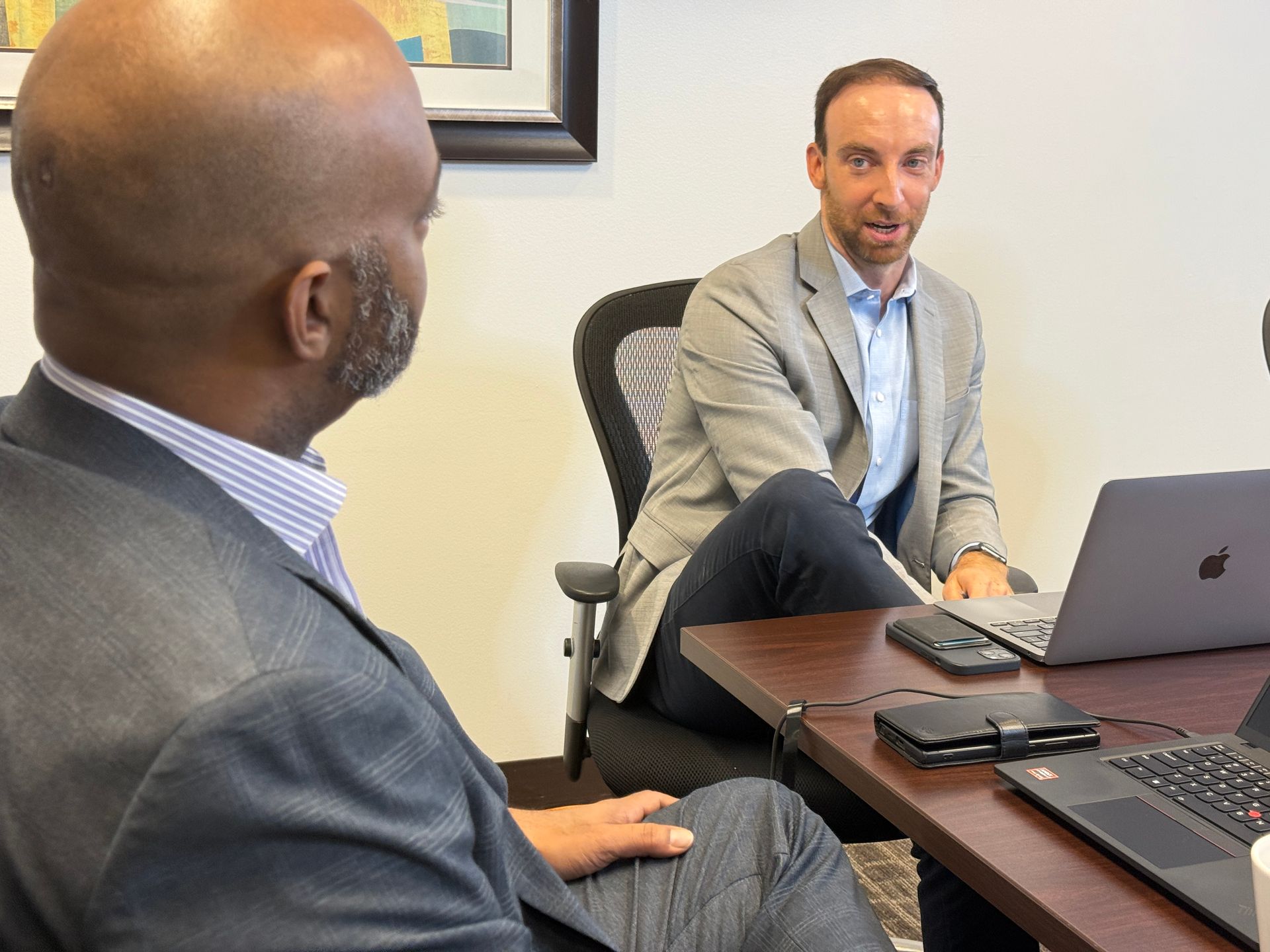
Two men in an office meeting across a desk with laptops open, one speaking while seated in a chair.
By Company Counsel March 31, 2026
When to Hire a Business Litigation Attorney Before a Dispute Gets Worse

Aerial view of a dense downtown skyline with tall skyscrapers under a clear blue sky.
By Company Counsel March 24, 2026
FMLA Rules in Pennsylvania: What Employers Must Know in 2026

Two professionals reviewing documents at a conference table with city skyline behind them
By Company Counsel March 16, 2026
When to Hire a Business Litigation Attorney Before a Dispute Gets Worse

Business meeting with a woman presenting charts, other colleagues around a table.
By Company Counsel LLC March 10, 2026
Learn how business formation works and how to choose the right legal structure. Compare LLCs, corporations, partnerships, and tax implications.
Show More