


How Contract Litigation Attorneys Help Small Businesses Resolve Disputes

September 16, 2025

Understanding Contract Litigation:

A Primer for Small Businesses

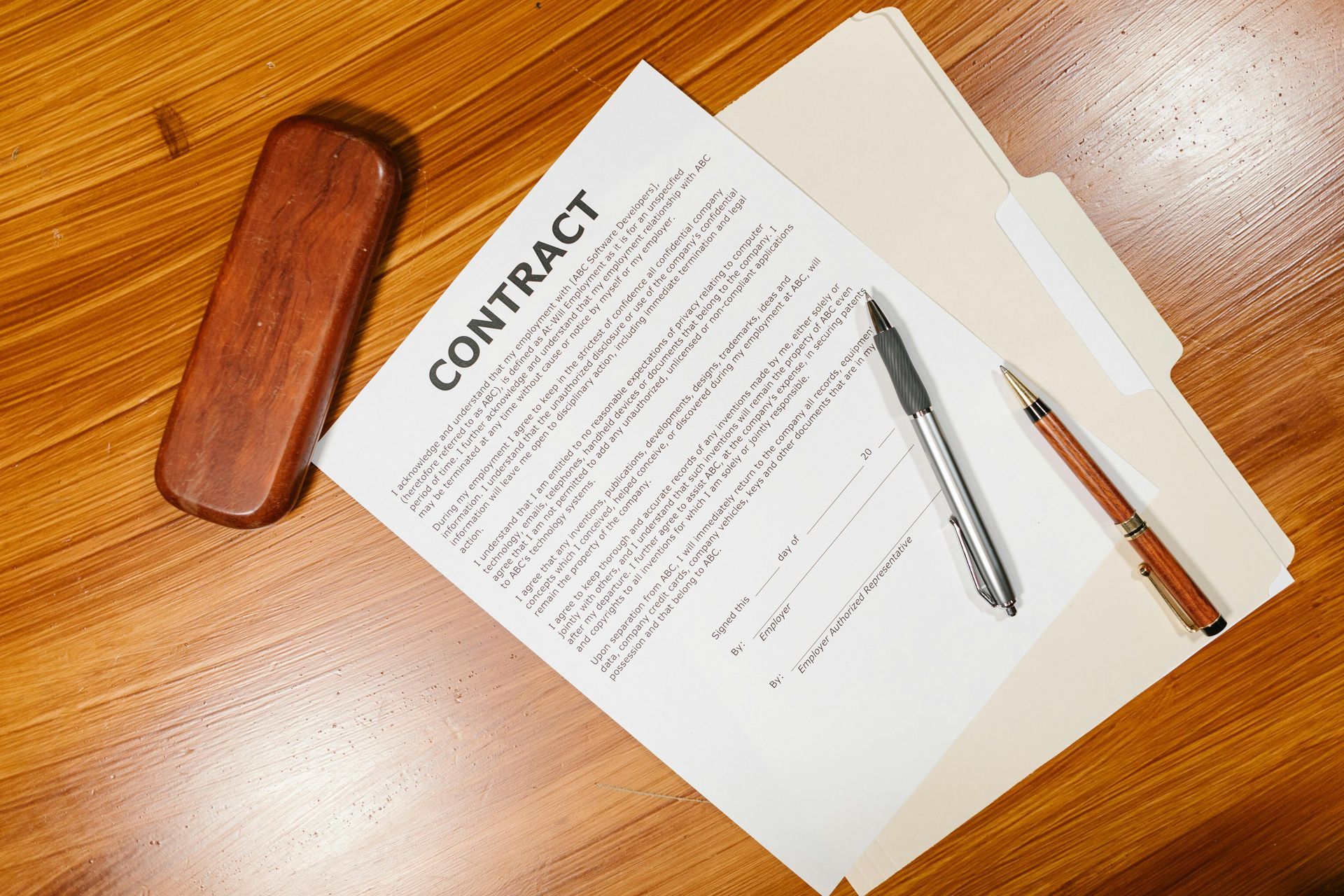
contract litigation attorneys reviewing document

Contracts are the backbone of any business relationship, serving as legally binding agreements that outline the rights and responsibilities of all parties involved. For small businesses, contracts are especially critical, as they often operate on tighter budgets and rely heavily on partnerships, vendors, and clients to sustain operations. However, when disputes arise over contract terms, payment obligations, or performance expectations, the consequences can be severe, potentially threatening the business's survival.


Contract litigation refers to the
legal process of resolving disputes that arise from these agreements. It involves interpreting contract terms, identifying breaches, and seeking remedies through negotiation, mediation, or court proceedings. For small businesses, understanding the basics of contract litigation is essential, as disputes are not uncommon. Whether a vendor fails to deliver goods on time or a client refuses to pay for services rendered, these conflicts can disrupt operations and drain resources.


Due to their limited legal expertise and financial constraints, small businesses often face unique challenges in
contract disputes. Without proper guidance, they may struggle to enforce their rights or defend against claims, making the role of contract litigation attorneys invaluable. These legal professionals specialize in navigating the complexities of contract law, ensuring that small businesses can resolve disputes efficiently and protect their interests.


Common Types of Contract Disputes Faced by Small Businesses

Contract disputes can take many forms, but some issues are prevalent among small businesses. Understanding these frequent challenges can help business owners recognize potential risks and take proactive steps to mitigate them.

  1. Breach of Contract: This occurs when one party fails to fulfill their obligations as outlined in the agreement. For example, a supplier might not deliver goods on time, or a client might refuse to pay for completed work. Breach of contract disputes often hinge on the specific terms of the agreement and whether the breach was material or minor.

2. Payment Disputes: Small businesses frequently encounter late payments or client non-payment issues. These disputes can strain cash flow and hinder operations, especially for companies that rely on timely payments to meet their financial obligations.

3. Misrepresentation or Fraud: In some cases, one party may have entered into a contract based on false information or deceptive practices. For instance, a vendor might misrepresent the quality of their products, leading to disputes when the delivered goods fail to meet expectations.

4. Disputes Over Contract Terms: Ambiguities in contract language can lead to disagreements about the scope of work, quality of performance, deadlines, or payment terms. Poorly drafted contracts are a common source of conflict, as unclear provisions leave room for differing interpretations.

5. Termination and Cancellation Issues: Disputes can arise when one party seeks to terminate a contract prematurely or without proper justification. Small businesses may face challenges in enforcing termination clauses or seeking damages for wrongful termination.


These disputes can be disruptive and costly, but they are not insurmountable. With the proper legal support, small businesses can address these issues effectively and minimize their impact.

The Role of Contract Litigation Attorneys in Resolving Disputes

Contract litigation attorneys play a pivotal role in helping small businesses navigate the complexities of contract disputes. Their role extends beyond courtroom representation, encompassing a range of services designed to resolve conflicts efficiently and protect their clients’ interests.


Legal Insight in Contract Interpretation

Contracts often contain dense legal language that can be difficult for non-lawyers to understand. Contract litigation attorneys are skilled in interpreting these documents, identifying potential breaches, and determining the best course of action. For example, if a client claims they are not obligated to pay for services due to a vague clause, an attorney can analyze the contract to clarify its intent and take all necessary steps to properly enforce the terms.


Attorneys also help small businesses understand their rights and obligations under the contract, ensuring they are well-prepared to address disputes. This level of legal insight is particularly valuable in complex agreements, such as licensing or joint ventures.


Advocacy During Negotiations and Settlements

Not all contract disputes need to escalate to litigation. In many cases, attorneys can help small businesses resolve conflicts through negotiation or mediation, avoiding the time and expense of a court battle. During settlement discussions, attorneys act as advocates, ensuring their clients’ interests are represented and securing favorable outcomes.


For instance, if a vendor fails to deliver goods on time, an attorney might negotiate a partial refund or a revised delivery schedule that satisfies both parties. By facilitating open communication and proposing creative solutions, attorneys can help small businesses preserve valuable relationships while resolving disputes.

Benefits of Hiring a Contract Litigation Attorney for Small Businesses

contract litigation attorneys reviewing document

Hiring a contract litigation attorney offers numerous advantages for small businesses, particularly when disputes threaten to disrupt operations or harm their reputation.


Cost-Effective Solutions for Small Businesses

Legal representation may seem like an added expense, but it can save small businesses money by resolving disputes efficiently. Attorneys can identify the most cost-effective strategies for addressing conflicts through negotiation, mediation, or litigation. By avoiding prolonged disputes or unfavorable settlements, businesses can protect their bottom line and focus on growth.


Preventing Future Disputes Through Legal Guidance

One of the most significant benefits of working with a contract litigation attorney is their ability to prevent future disputes. Attorneys can assist in drafting clear, comprehensive contracts that minimize ambiguities and reduce the likelihood of conflicts. They can also provide ongoing legal advice, helping businesses navigate complex transactions and avoid common pitfalls.


For example, an attorney might review a vendor agreement to ensure it includes specific delivery timelines and penalties for delays, reducing the risk of future disputes. Small businesses can build stronger, more reliable partnerships by taking a proactive approach.

Steps Small Businesses Should Take When Facing a Contract Dispute


Small businesses should act quickly and strategically when a contract dispute arises to protect their interests. Here are some key steps to follow:


Gather Evidence:  Collect all relevant documents, including the contract, correspondence, invoices, and performance records. Do not throw anything away! This evidence will be crucial in building a case or negotiating a resolution.

Review Contract Terms: Carefully review the contract to understand the rights and obligations of both parties. Pay close attention to clauses related to dispute resolution, termination, and remedies for breach.

Consult an Attorney: Seek legal advice from a contract litigation attorney immediately. An attorney can assess the situation, identify potential remedies, and recommend the best course of action.

Communicate with the Other Party: In some cases, direct communication can resolve disputes. However, it’s essential to approach these discussions carefully and avoid making statements that could be used against you later.

Consider Alternative Dispute Resolution: Explore options like mediation or arbitration, which can be faster and less expensive than litigation. An attorney can guide you through these processes and advocate on your behalf.


Small businesses can address disputes effectively and minimize their impact by taking these steps.

Real-Life Examples of Contract Litigation Success Stories

Consider a small marketing agency that faced a breach of contract when a client refused to pay for completed work, citing dissatisfaction with the results. The agency’s attorney reviewed the agreement, which clearly outlined the scope of work and payment terms. Armed with this evidence, the attorney negotiated a settlement that secured partial payment and preserved the client relationship.

In another case, a supplier sued a small retailer for allegedly breaching a long-term agreement. The retailer’s attorney discovered that the supplier had failed to meet quality standards, constituting a breach on their part. The attorney defended the retailer in court, saving them from significant financial losses.


These examples illustrate how contract litigation attorneys can help small businesses navigate disputes and achieve favorable outcomes.

How to Choose the Right Contract Litigation Attorney for Your Business

Selecting the right attorney is critical to resolving contract disputes successfully. Here are some tips to help small businesses make an informed choice:


  • Evaluate Experience: Look for an attorney with a proven track record in contract litigation, particularly in cases similar to yours. Experience in your industry can also be an advantage.
  • Check Reputations: Read online reviews to gauge the attorney’s reputation and client satisfaction.
  • Understand Fee Structures: Discuss the attorney’s fees upfront and ensure they align with your budget. Some attorneys offer flexible payment options, such as flat fees or contingency arrangements.
  • Assess Communication Skills: Choose an attorney who communicates clearly and keeps you informed throughout the process. Strong communication is essential for building trust and ensuring a successful outcome.
  • Schedule a Consultation: Many attorneys offer free initial consultations, allowing you to discuss your case and evaluate whether they fit your needs.


By choosing the right attorney, small businesses can ensure they have the support they need to resolve disputes effectively.

contract litigation attorneys reviewing document

The Importance of Proactive Legal Strategies for Small Businesses


Proactive legal planning is essential for small businesses to avoid contract disputes. Regular contract reviews, precise drafting, and ongoing consultations with attorneys can help companies identify and address potential risks before they escalate. By investing in legal strategies upfront, small businesses can build stronger relationships, protect their interests, and focus on growth.


Choosing the Right Legal Partner

Executives and business owners should seek to contract counsel with:

  • Proven success in commercial litigation or dispute resolution;


  • Familiarity with their industry and contract structures;

  • Transparent fee arrangements;

  • A track record of responsive, strategic communication.

Partner With Company Counsel LLC —

Your General Counsel for Growth


At Company Counsel, we serve as your trusted general counsel, offering dedicated legal insight tailored to the demands of small and mid-sized businesses. Whether reviewing vendor contracts, negotiating complex agreements, or resolving disputes, our team including contract dispute attorneys ensures your business is protected from both short-term disruption and long-term liability.


Protect your contracts. Preserve your business. Partner with Company Counsel.


Schedule your consultation today!

Three coworkers in suits reviewing a document together at a table in an office.
By Company Counsel April 30, 2026
What Fractional General Counsel Work Looks Like Day to Day
Sunset skyline of Manhattan with the Empire State Building and surrounding skyscrapers
By Company Counsel April 23, 2026
How to Structure Your NYC Business for Outside Investment
Person in a black suit writing in a book at a wooden desk, with pages turned back.
By Company Counsel April 20, 2026
Fractional Legal Counsel for Founders Without Full-Time Hire
Two businesspeople shaking hands across a desk with documents and a laptop in a bright office
By Company Counsel April 20, 2026
M&A Trends in 2026 for PA, NJ, and NY Buyers
Three colleagues discuss documents at a conference table in a wood-paneled office.
By Company Counsel April 16, 2026
Legal Mistakes to Avoid When Forming a Business in South Jersey
Person in a blue suit signing a document at a desk with papers and a pen
By Company Counsel April 8, 2026
What Counts as a Breach of Contract in Pennsylvania?
Two men in an office meeting across a desk with laptops open, one speaking while seated in a chair.
By Company Counsel March 31, 2026
When to Hire a Business Litigation Attorney Before a Dispute Gets Worse
Aerial view of a dense downtown skyline with tall skyscrapers under a clear blue sky.
By Company Counsel March 24, 2026
FMLA Rules in Pennsylvania: What Employers Must Know in 2026
Business meeting with a woman presenting charts, other colleagues around a table.
By Company Counsel LLC March 10, 2026
Learn how business formation works and how to choose the right legal structure. Compare LLCs, corporations, partnerships, and tax implications.
People shaking hands at a table, likely a business meeting or interview. White office, people in business attire.
By Company Counsel LLC February 12, 2026
What to do when a key client stops paying. Insight from a business dispute lawyer on collections, risk, and litigation strategy.
Show More