Keeping Business Copycats at Bay with Trademarks

companycounse1 • May 8, 2019

Sometimes the best way to protect your business from lawsuits, unnecessary expenses, and loss of income is to learn from the mistakes of others. Such is the case with trademarks. History is littered with thousands of cases – some frivolous, others successful – involving one company suing another over alleged trademark infringement. Yet these problems could have easily been avoided had there been a properly registered trademark.

A fresh cup of litigation

Consider the case of Sam Buck, a woman who opened a tiny coffee shop in Oregon and used her own name for its branding. “Sambucks” was in business for some time before it got noticed by Starbucks. Starbucks decided to sue the company, and won, forcing Ms. Buck to remove “Buck” from all of her products and branding.  This just goes to show that sometimes it’s not worth taking the risk on branding your business or product with anything remotely similar to an existing brand, especially when that brand is a large, national, household name.

This shade is called “Forbidden Magenta”

Your graphic designer may have thought lime green was the perfect choice for creating your logo and packaging, but nearly everyone was surprised to learn that one of your competitors was also using that exact color. And the color was trademarked! There is a precedent for protection of a company’s brand color. In 2014, T-Mobile filed a trademark lawsuit claiming their competitors should not be allowed to use the color magenta, specifically Pantone 676C, that they were using. They won the case, and according to the court, they “own” magenta in their industry.

Lifestyles of the Rich and Trademarked

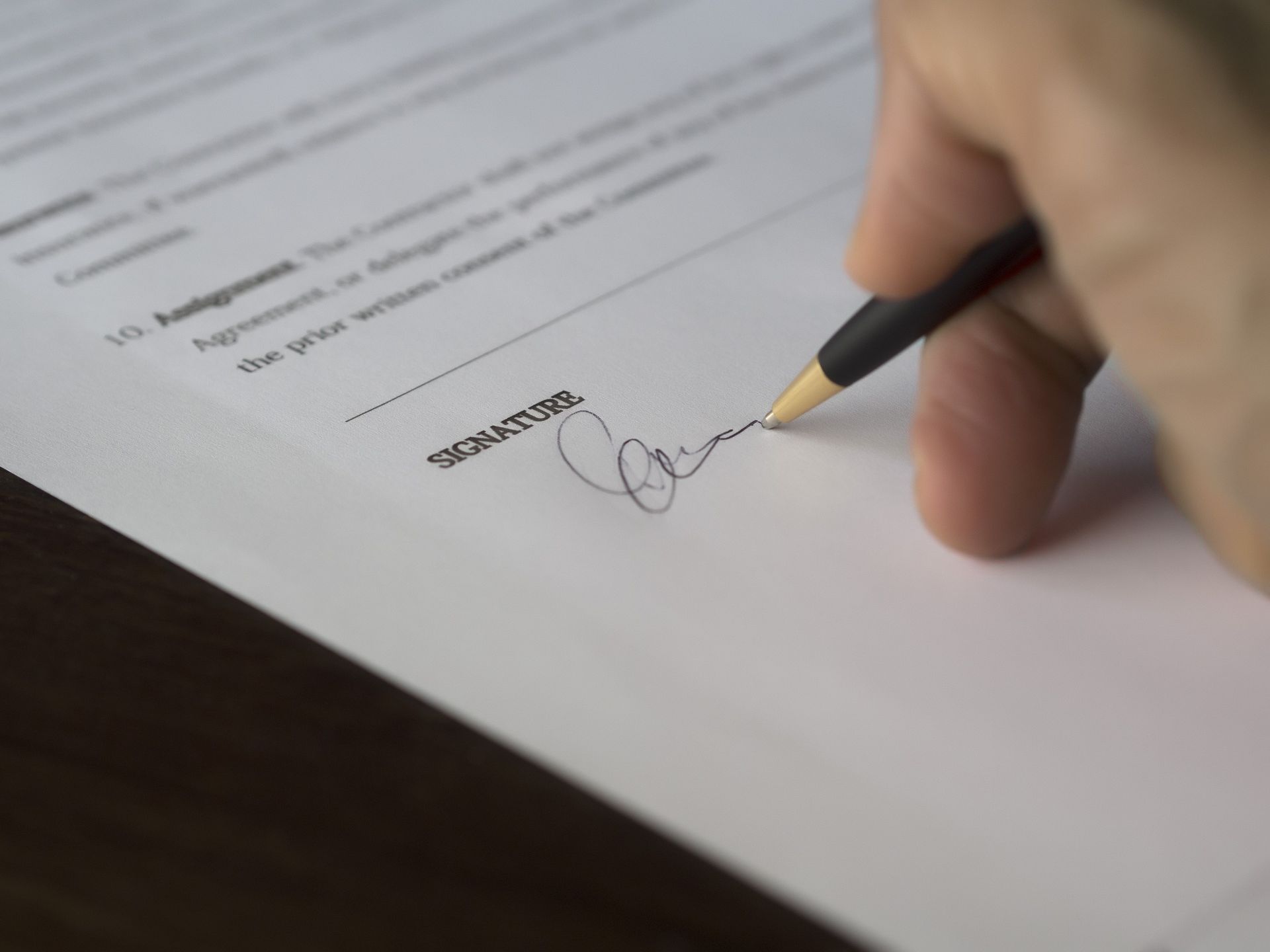
Over the years, celebrities and other famous people have trademarked their names as personal brands, and several lawsuits have resulted from companies attempting to use those brands for their own benefit. Most notable was a suit brought by Paris Hilton against Hallmark, who not only used Hilton’s face, but also her signature “That’s hot!” tagline. Hilton won that case. In contrast, Sarah Palin was unsuccessful in her attempt to brand herself. When she applied for a trademark for protection of her name, “Sarah Palin”, her application was denied – because she forgot to sign it.

Trademarks, defined

A trademark is a word, phrase, brand name, or symbol that identifies the source of a product or service, and distinguishes it from competitors. Trademarks and the registration of the trademark can last forever with proper citation, and by paying maintenance fees.

Benefits of registering trademarks

Federal registration of a trademark is not mandatory, but there are advantages of registering which include public knowledge of your trademark registration, legal presumption of ownership nationwide, and exclusive right to use the mark on or in connection with the goods/services listed in the registration. Having your protection known should cut down legal costs and potential intellectual property theft.

Mistakes will cost you

Before registering, you want to make sure that the trademark is legally able to registered and that you can accurately identify your unique good or service.  Of course, then you will have to file it properly (including the signature!). Any of these simple mistakes will cost you time, money, and hassle.

Sure, filing can be done alone, but why take the risk?

Hiring an attorney experienced with filing trademarks, patents, and copyrights will ensure correct filing and faster results.

Call  (484) 325-5660  to speak with our team about our trademark packages.


Person in a blue suit signing a document at a desk with papers and a pen.
By Bernard A. Williams, Esq. July 27, 2026
Non-compete rules are changing fast. Learn whether non-compete agreements are still enforceable for your business and what to use to protect it instead.

Colleagues reviewing documents together at a conference table.
By Bernard A. Williams, Esq. July 20, 2026
Who runs your business if you step away? Learn how business succession planning protects your legacy, your family, and the value you have worked to build.

Manager shaking hands with a new hire at a desk in an office.
By Bernard A. Williams, Esq. July 13, 2026
Hiring your first employees? Learn the legal requirements, from classification to handbooks to paperwork, that protect your business as you build a team.
Contract document on a wooden table next to a pen.
By Bernard A. Williams, Esq. July 6, 2026
The most expensive contract is the one you never reviewed. Learn how often to review your contracts and which clauses to check as your business changes.

Brown envelope stamped STARTUP in front of a laptop on a desk.
By Bernard A. Williams, Esq. June 29, 2026
Starting a business? Here are the core legal documents every new business needs, from formation and contracts to IP and HR, to build on a solid foundation.

Gavel on a wooden table with a person typing on a laptop and documents.
By Bernard A. Williams, Esq. June 22, 2026
Weak contracts and unclear ownership cost you at closing. Learn the legal issues that reduce business value, and how to fix them well before you sell.
Golden scales of justice on a desk with a person writing nearby.
By Bernard A. Williams, Esq. June 15, 2026
Good governance builds investor confidence and business value. Learn the corporate governance basics—records, boards, decisions—for growing companies.
People signing legal documents at a desk with a statue of justice nearby.
By Bernard A. Williams, Esq. June 8, 2026
Most business lawsuits are preventable. Learn practical steps across contracts, entity structure, HR, and insurance to protect your business from lawsuits.
Two people in suits shaking hands outdoors after a business agreement.
By Bernard A. Williams, Esq. June 1, 2026
A handshake isn't a partnership plan. Learn what a partnership agreement should include, roles, money, decisions, and exits, to protect the relationship.
Two businesspeople shaking hands across a desk with documents and a laptop.
By Bernard A. Williams, Esq. May 25, 2026
Buyers walk away from messy records. Learn what happens during due diligence and the contracts, HR files, and IP proof that make your business buyer ready.
Show More